No. High eye pressure is a risk factor for glaucoma, not a diagnosis of it.
Plenty of people have elevated pressure for years and never develop glaucoma. Others develop glaucoma at pressures considered perfectly normal. The number matters, but it does not decide the question by itself.
What eye pressure actually is
Your eye continuously produces a clear fluid that circulates in the front of the eye and drains out. Intraocular pressure is the balance between how much is produced and how easily it drains.
If drainage slows, pressure rises. That pressure is transmitted to the optic nerve at the back of the eye, and sustained pressure on the nerve is one way glaucoma damage occurs.
This has nothing to do with your blood pressure. The two are unrelated measurements, and having one high does not imply the other.
What counts as high
The commonly used range is roughly 10 to 21 mmHg, but the number by itself is less meaningful than people assume.
Corneal thickness affects the reading. A thicker cornea can make pressure read higher than it truly is, and a thinner one can make it read lower. Pressure also varies through the day, so a single reading is a snapshot.
This is why we do not diagnose or rule out glaucoma from one number at one visit.
Ocular hypertension
When pressure is elevated but the optic nerve and visual field look normal, that is called ocular hypertension.
It is not glaucoma. It does mean you are at higher risk, so the sensible response is monitoring rather than alarm. Many patients we monitor in this category never progress.
Normal-tension glaucoma
The other side of the same coin. Some people develop genuine optic nerve damage at pressures in the normal range.
They would be missed entirely by a pressure check alone, which is the clearest argument for looking at more than the number.
What we look at alongside pressure
- The optic nerve, examined directly and with imaging that measures the nerve fiber layer
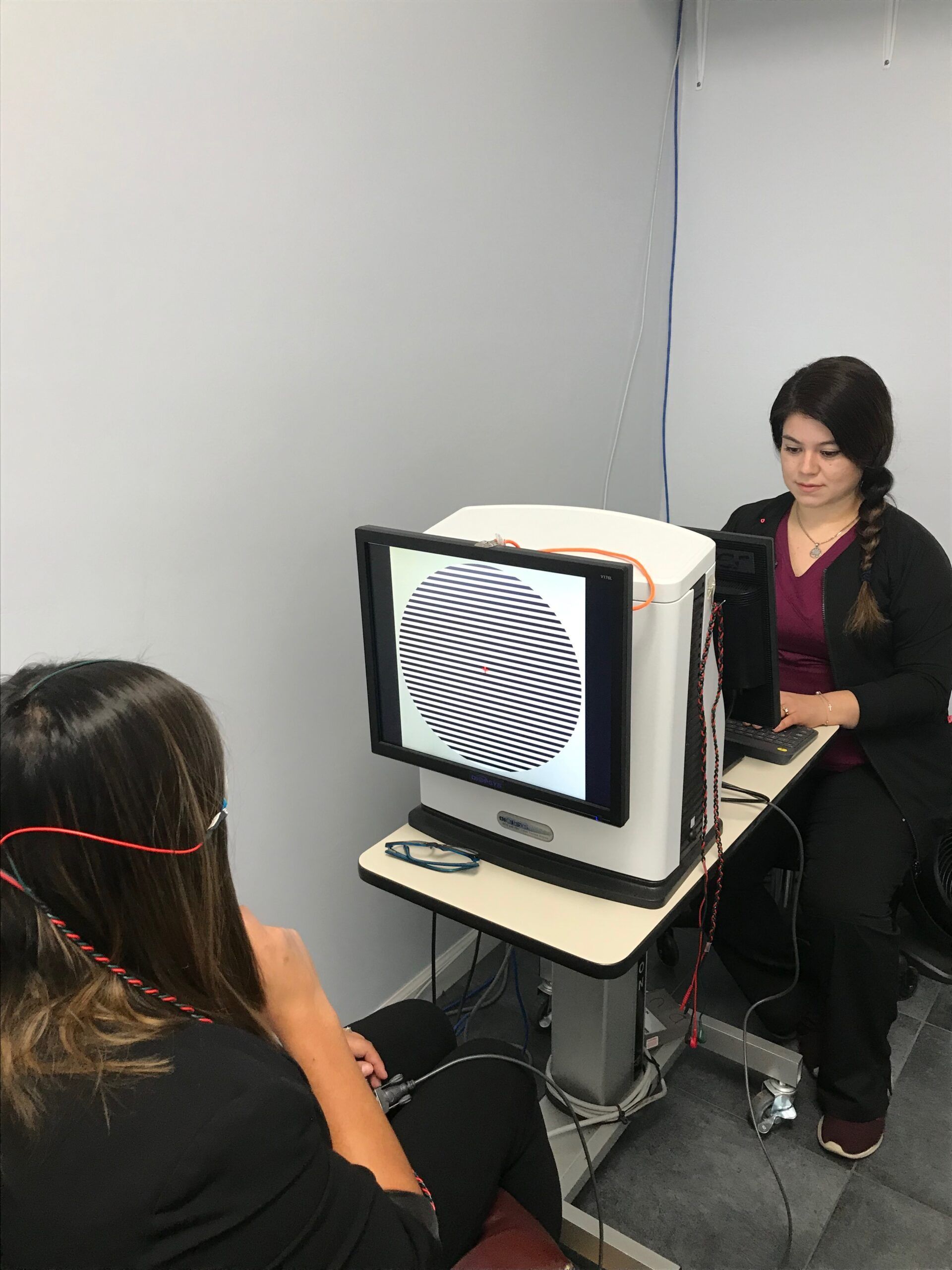
- Your visual field, which tests function rather than structure
- Corneal thickness, which affects how pressure readings should be interpreted
- Your risk factors, including family history, age, and ancestry
- Change over time, which is usually the most informative of all
How these fit together is covered in glaucoma monitoring. Dr. Prewett has been certified for the treatment and management of glaucoma since 2001.
What happens if your pressure reads high
Usually not much on the day, and that is appropriate.
The doctor will examine your optic nerve, likely recommend imaging and a visual field test, and establish a baseline. Then you come back so we can compare. A diagnosis, if there is one, comes from that comparison rather than from one visit.
If treatment is started, pressure becomes the number we use to judge whether it is working.
Common questions
Does high pressure hurt?
Usually not at all, which is exactly why it goes unnoticed. A sudden severe rise can cause pain, nausea, and halos around lights, and that needs prompt attention.
Is the puff of air test accurate?
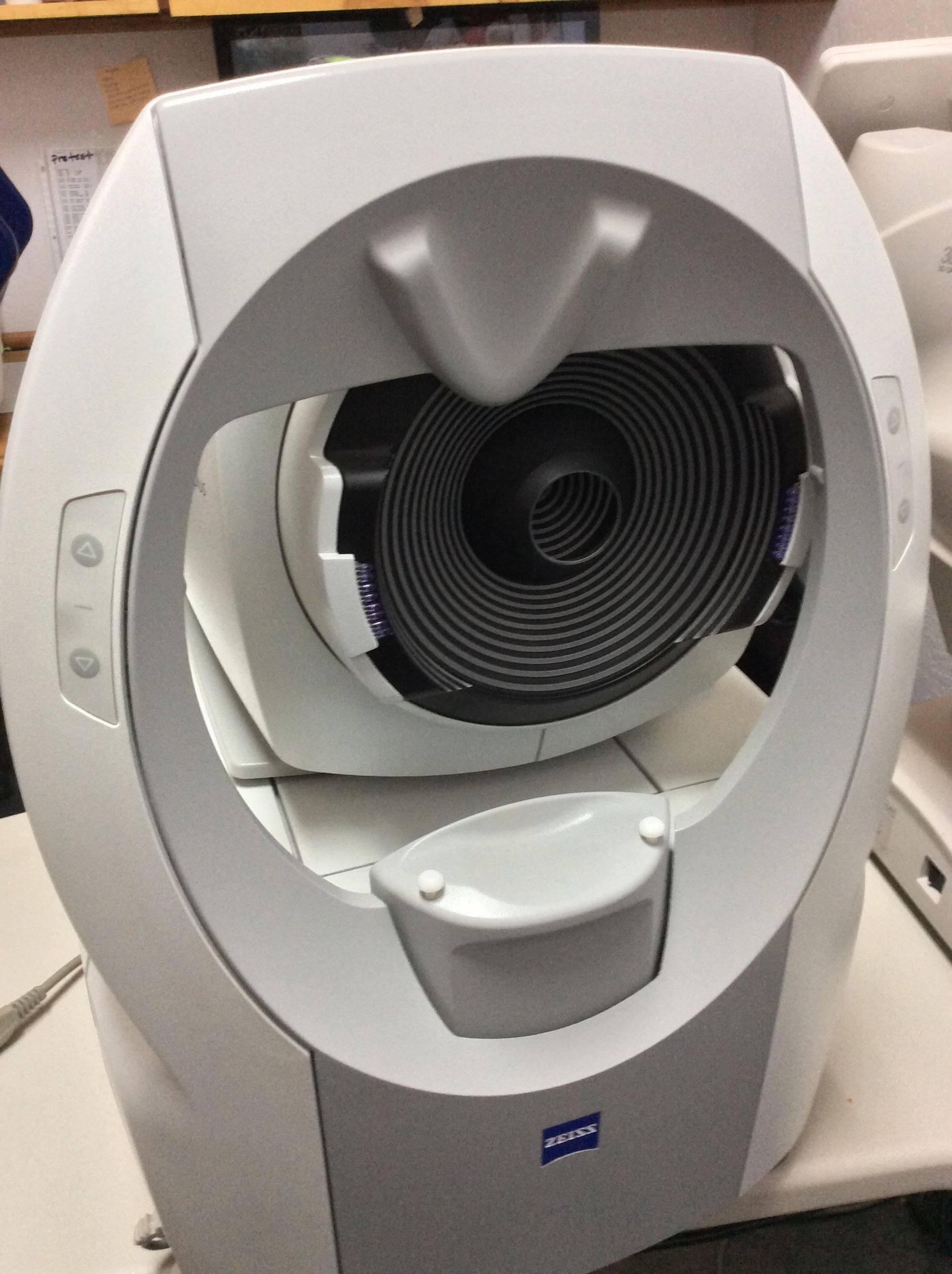
It is a reasonable screening measurement. When a reading matters, the doctor confirms it another way.
My pressure was different at two visits. Is something wrong?
Probably not. Pressure varies through the day and between visits. Trends matter more than single readings.
Should I be checked if glaucoma runs in my family?
Yes, and tell us. Family history changes how closely we watch.
Schedule an exam
If you have been told your pressure is high, or glaucoma runs in your family, a proper baseline is the useful next step.
Request an appointment or call 805-925-9575.