Occasional floaters are common and usually harmless. A sudden increase in floaters, new flashes of light, or a shadow moving across your vision should be examined promptly.
If any of those describe what is happening right now, call us at 805-925-9575. If we are closed, seek emergency or urgent care rather than waiting.
What floaters are
The inside of your eye is filled with a clear gel called the vitreous. Over time it becomes more liquid and small clumps of collagen form within it.
Those clumps cast shadows on your retina, and you perceive them as specks, threads, or cobwebs drifting across your vision. They move when your eye moves and tend to drift when it stops.
They are most visible against a bright, plain background such as a clear sky or a white wall.
What flashes are
Flashes usually look like brief arcs or streaks of light, often in your peripheral vision, and are often more noticeable in the dark.
They happen when the vitreous tugs on the retina. Your retina cannot feel pulling, only light, so it reports the tug as a flash.
That tugging is the part worth paying attention to.
The pattern that needs prompt attention
Call promptly if you notice:
- A sudden increase in the number of floaters, especially a shower of new ones
- New flashes of light, particularly alongside new floaters
- A shadow or curtain coming in from the side of your vision
- A sudden drop in vision in one eye
The concern is that vitreous pulling on the retina can occasionally tear it. A tear can allow fluid underneath the retina and lead to a detachment, which is a serious problem that is far more treatable when caught early.
Most patients with these symptoms turn out to have a posterior vitreous detachment, which is a common age-related change and not itself dangerous. The reason to be examined is to confirm that is what it is.
What an examination involves
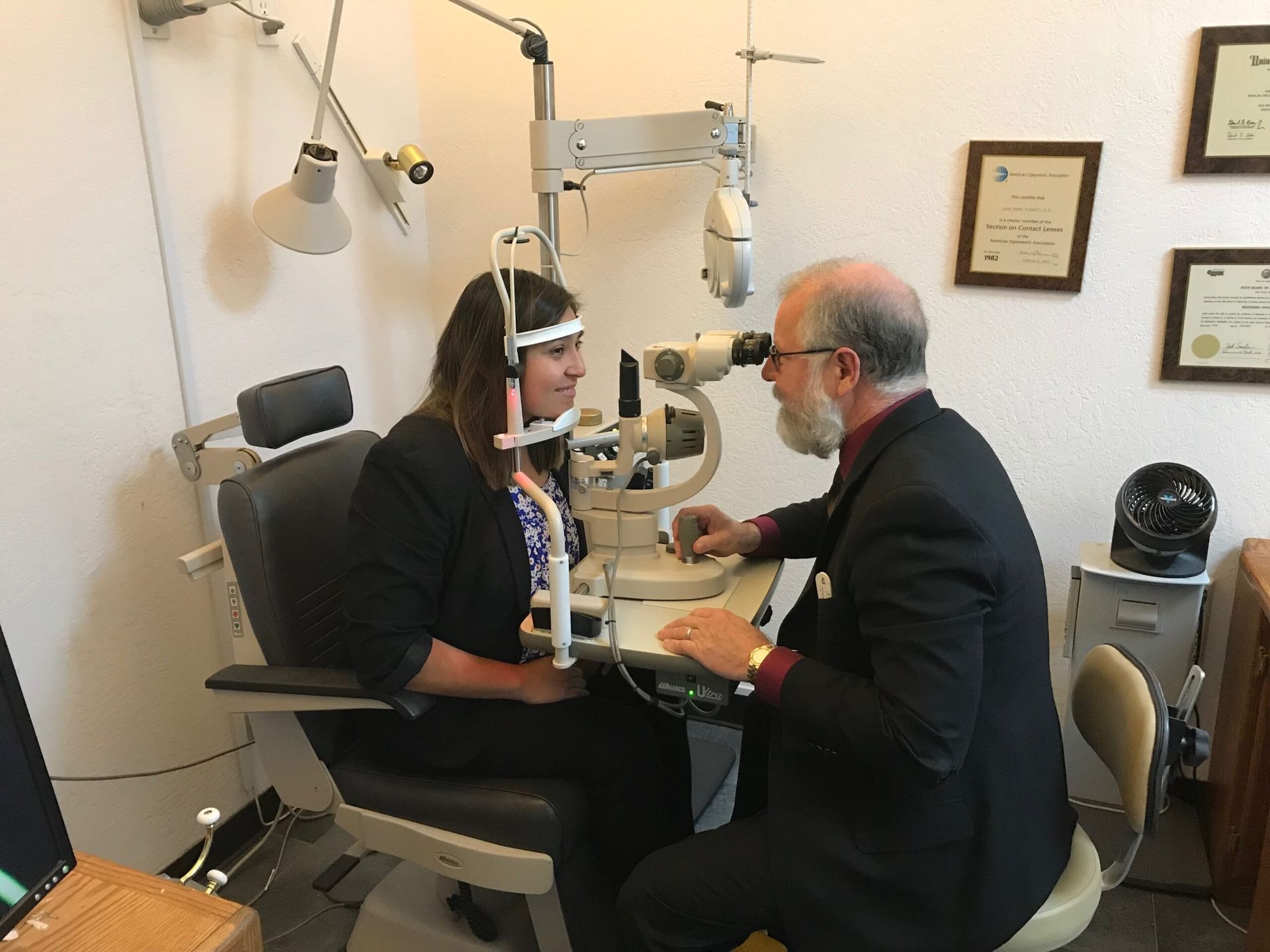
The key part is a dilated examination so the doctor can see the far edges of your retina, where tears usually occur.
- Drops are used to dilate the pupil, which takes time to take effect.
- The doctor examines the retina thoroughly, including the periphery.
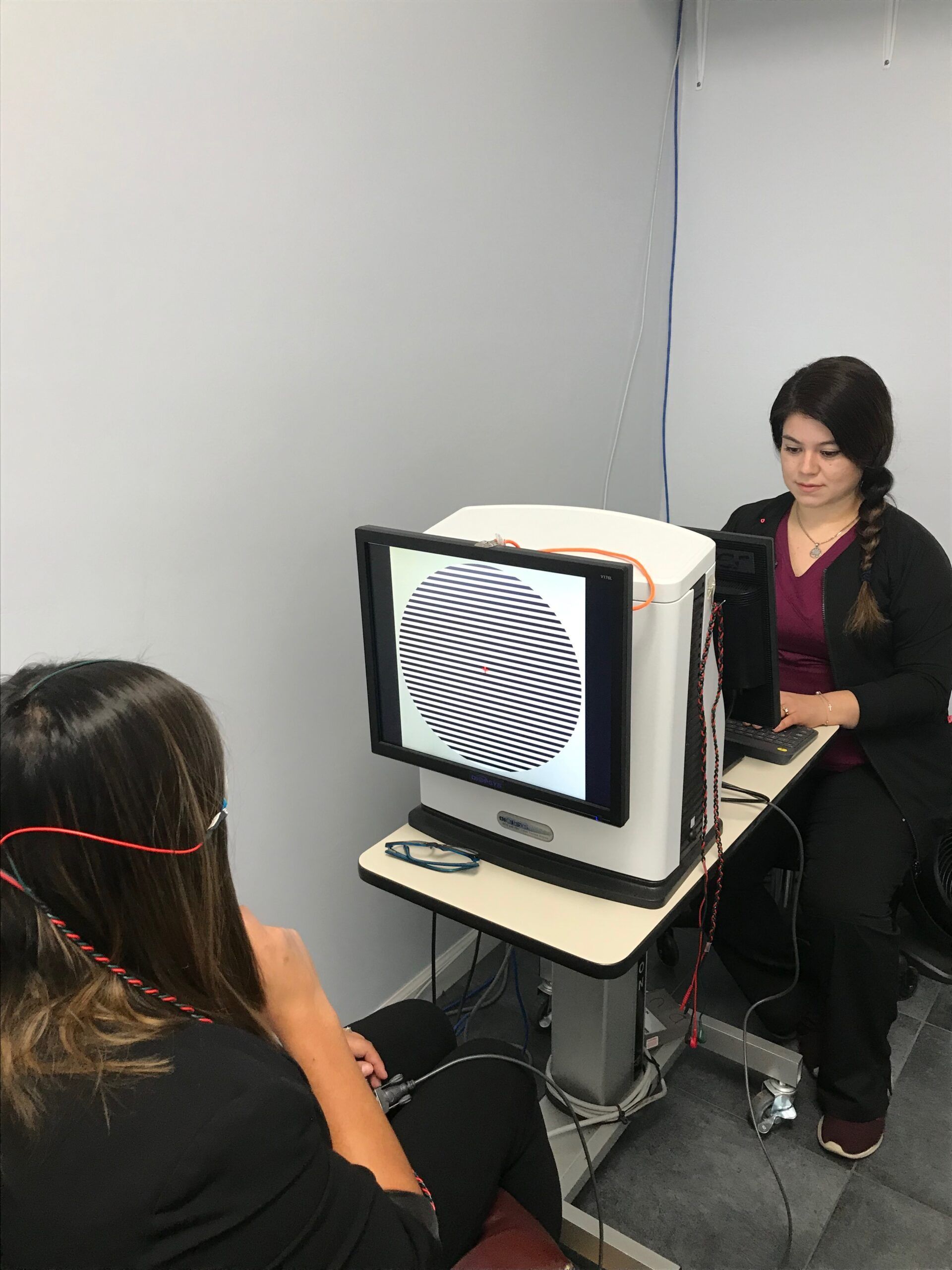
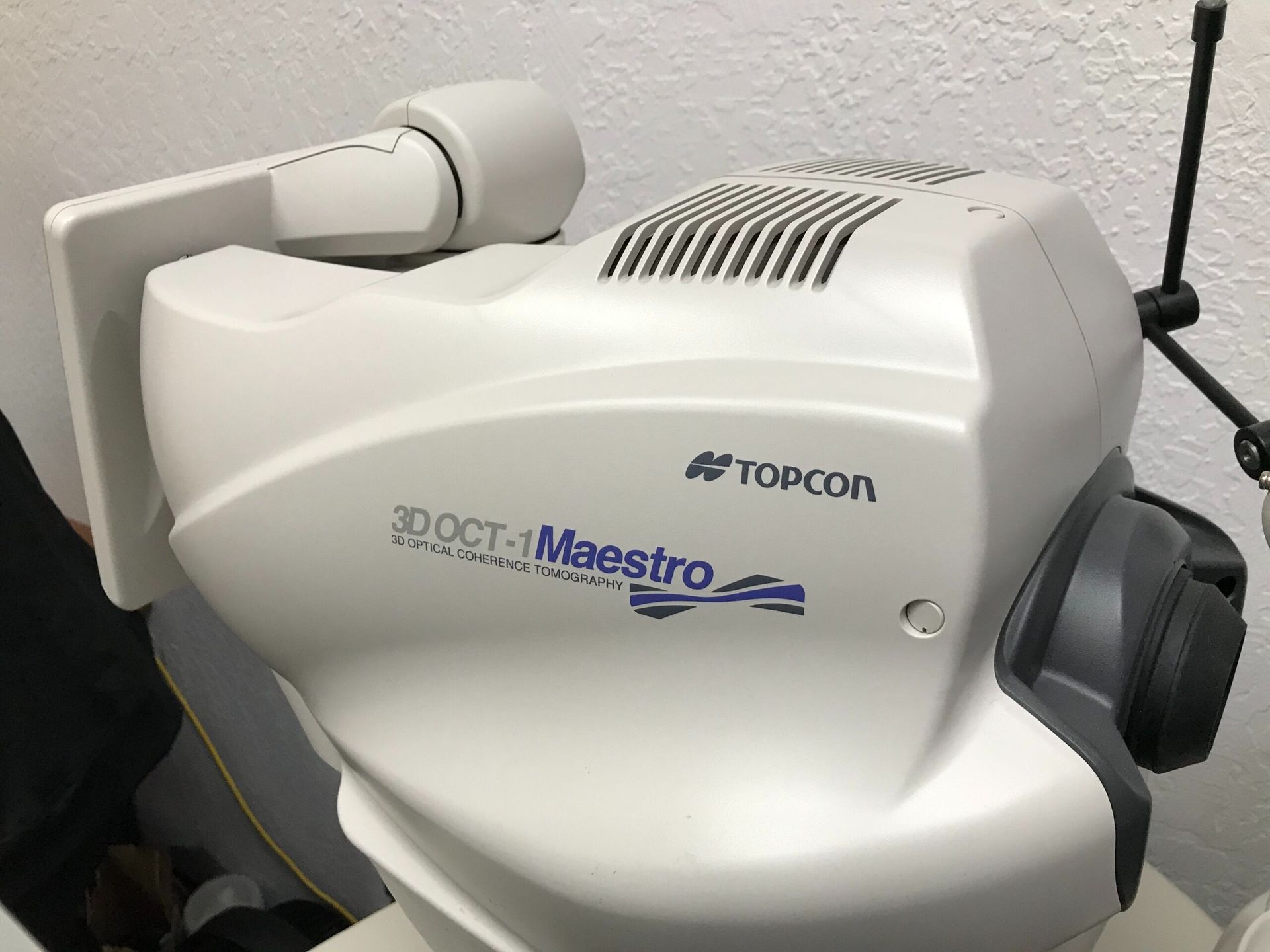
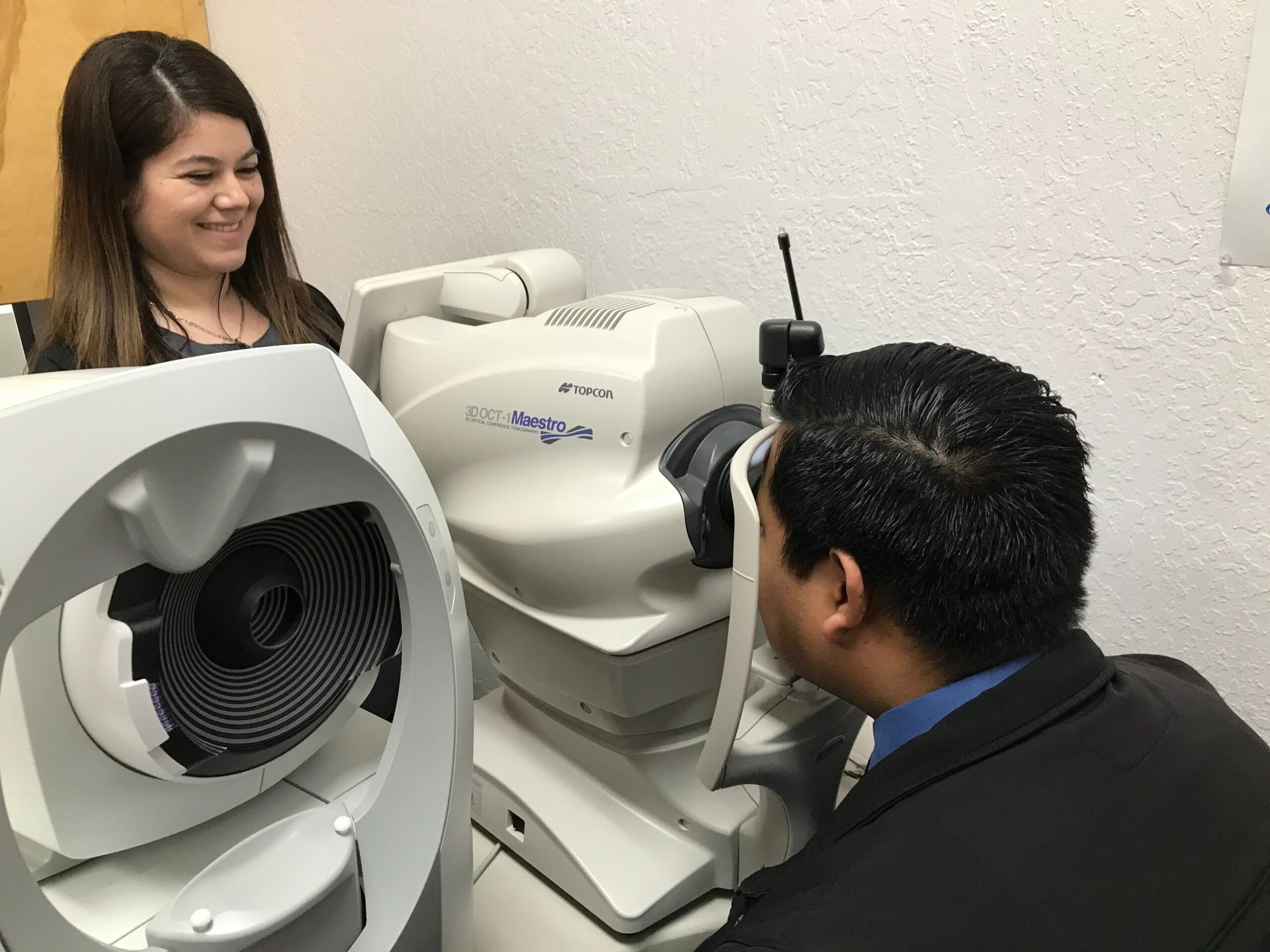
- Imaging may be used to document what is there. See understanding OCT and retinal imaging.
- You are told what was found and whether anything needs follow-up.
Plan on your vision being bright and blurry up close for a few hours afterward. Bring sunglasses and consider arranging a ride.
Floaters that are not urgent
If you have had the same few floaters for years, they have not changed, and there are no flashes or shadows, that is generally not an emergency. Mention them at your next exam.
Most people learn to ignore long-standing floaters, and the brain genuinely does filter them out over time.
Higher risk situations
Be quicker to call if you are significantly nearsighted, have had cataract surgery or an eye injury, have had a retinal tear before, or have a family history of retinal detachment.
Common questions
Can floaters be removed?
Surgical options exist but carry their own risks and are reserved for unusual cases. Most floaters are managed by monitoring.
Will they go away?
They often become less noticeable, both because they settle and because your brain adapts.
I see flashes with a headache.
A visual disturbance with a headache can be a migraine aura, which typically affects both eyes and passes within about an hour. If you are not certain, call us.
What are your hours?
Monday through Thursday 9:00 a.m. to 6:00 p.m., Friday 9:00 a.m. to 2:30 p.m., closed weekends. Outside those hours, urgent symptoms should go to emergency or urgent care.
Call us
If floaters or flashes started suddenly, do not wait to see whether they settle.
Call 805-925-9575, or request an appointment for symptoms that are longstanding and unchanged.