Written for optometrists.
Most practices treat dry eye as something addressed at the end of a routine exam. Here it runs as its own clinic, with dedicated equipment, trained staff, and patients on recurring treatment plans.
For a doctor who wants specialty depth, the difference is that the workflow already exists. You would be joining it and helping develop it, not building it from nothing.
What is already running
The dry-eye clinic uses equipment-based treatment alongside traditional approaches:
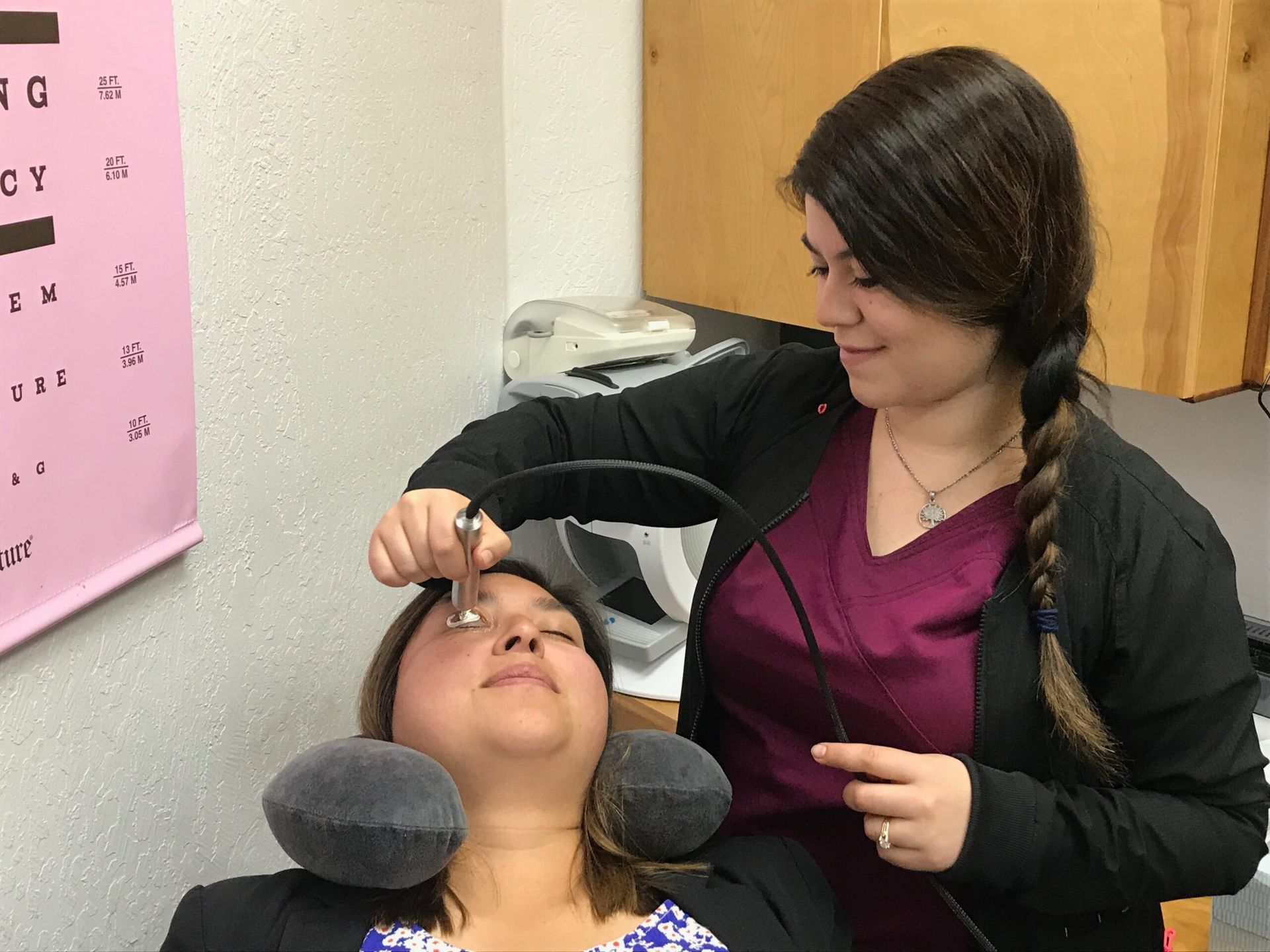
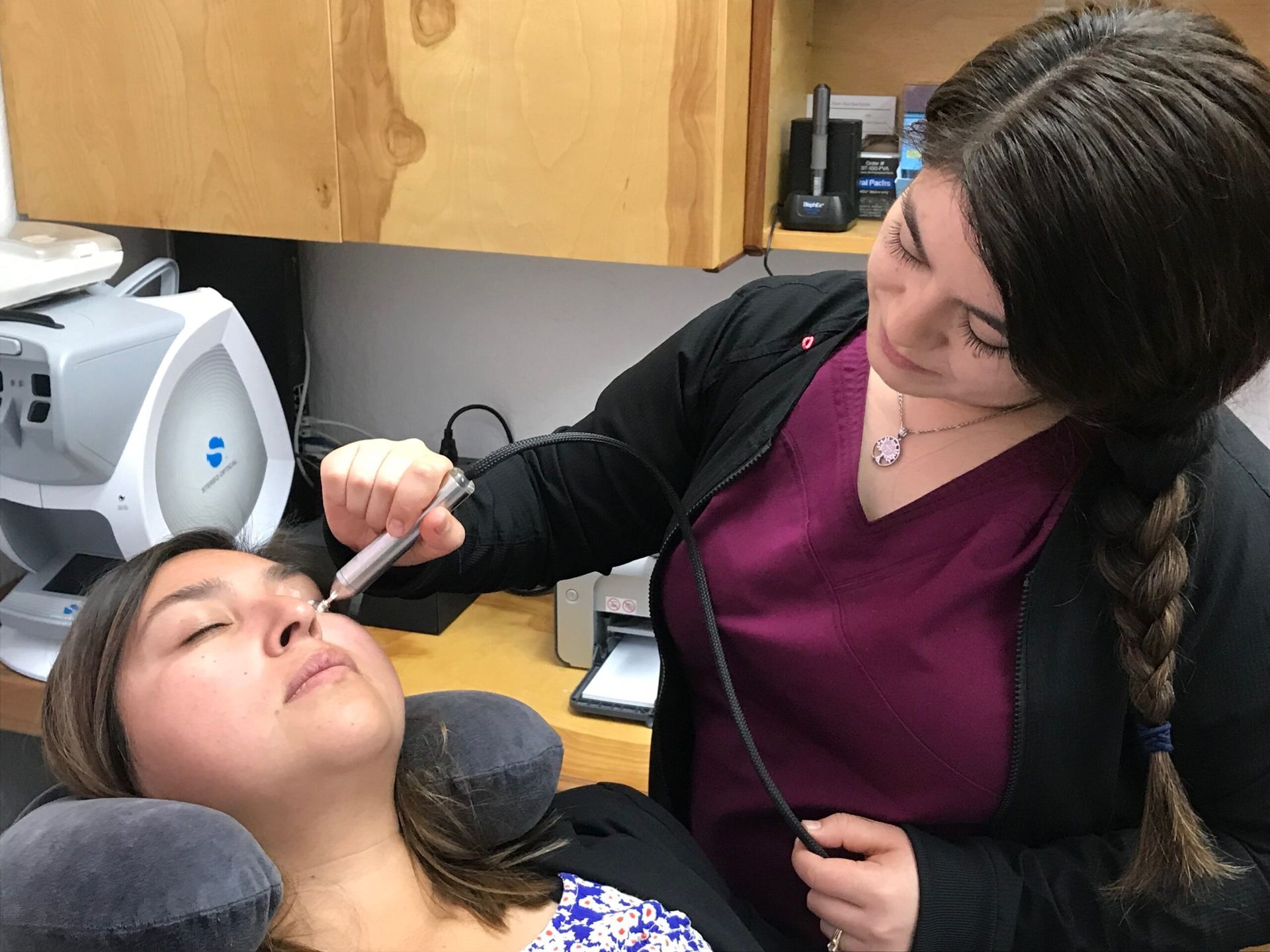
- MiBoFlo heat massage, where a handheld tip warmed to about 108 degrees Fahrenheit is used with ultrasound gel to massage the eyelids with the eyes closed, aimed at improving meibomian gland function
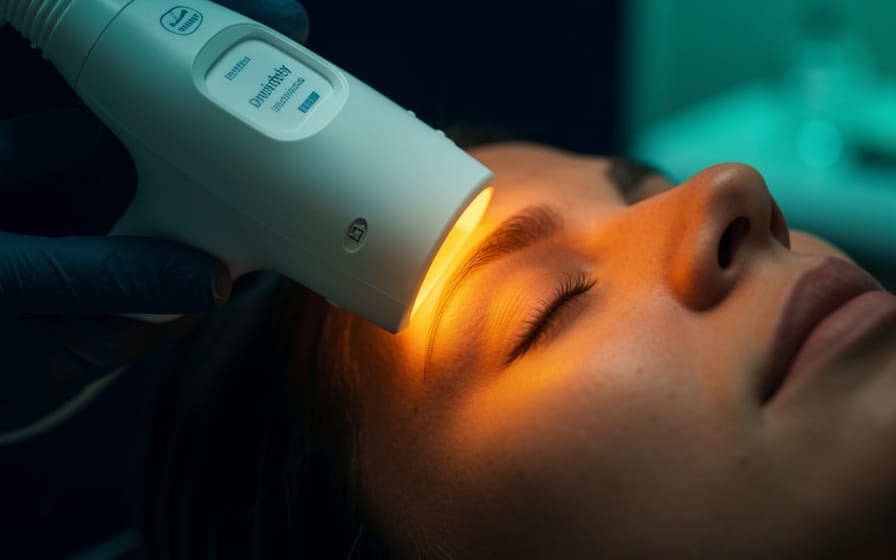
- Photobiomodulation
- Radiofrequency, delivered with a Cynosure system
Patients are seen on recurring weekly and monthly plans rather than one-off appointments, with follow-up measurement to judge whether treatment is working.
The diagnostic side
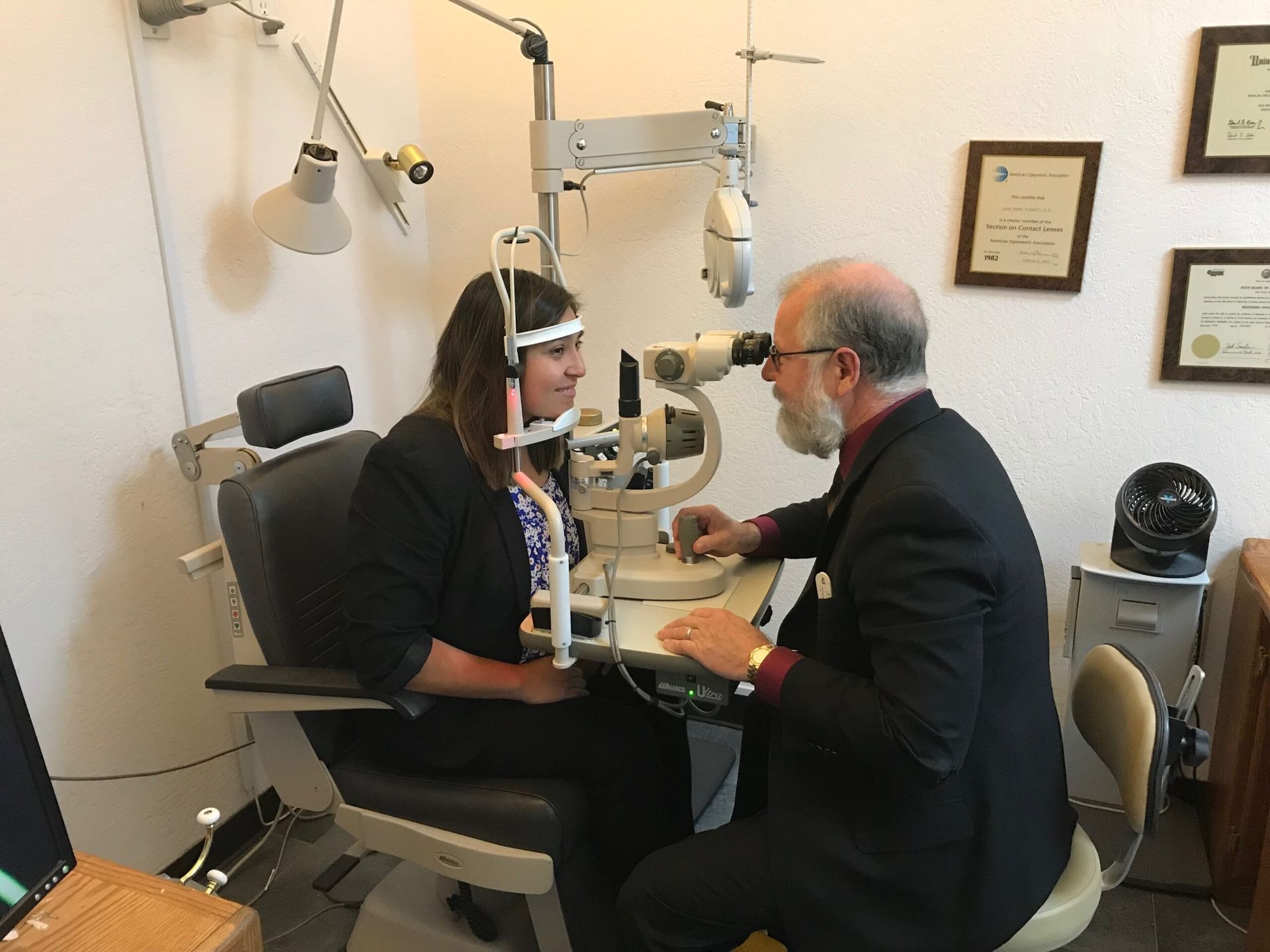
Evaluation goes beyond symptom questionnaires. The workup examines the lid margins and gland openings under magnification, assesses tear film stability, and images the glands themselves to see whether they are intact, shortened, or dropped out.
That last part changes the conversation with patients, because gland structure is visible rather than inferred. The patient-facing explanation is in what is meibomian gland dysfunction.
Why this is a good specialty to hold
Dry eye is chronic, measurable, and undertreated. It also intersects with most of the rest of the practice:
A doctor who owns this area ends up connected to a large share of the practice rather than sitting in a side room.
The role
The recruiting emphasis is on a doctor who will prescribe and direct dry-eye treatment and guide staff delivering it, rather than personally performing every session.
That is what makes the specialty scalable. Your judgment sets the plan, the trained team executes it, and you adjust based on follow-up findings.
There is also appetite to grow this part of the practice further, and we are interested in a doctor who wants a hand in shaping how it develops.
Honest limits
Two things we would rather say plainly than have you discover later.
The specifics of capacity, treatment volume, and expansion timing change, so we are not going to publish numbers here that might be out of date by the time you read them. Ask us directly and we will tell you where things actually stand.
Second, this is a working clinic with real patients on active plans. Joining it means taking on continuity of care for people already partway through treatment, not starting with a clean slate.
Common questions
Do I need prior dry-eye specialty experience?
Interest matters more than a specific background. The workflow, equipment, and trained staff are already here.
Is dry eye billed medically?
Dry eye is a medical condition and is generally billed to medical insurance rather than a vision plan. See dry eye treatment.
Would I be the only doctor involved?
Currently the practice has one doctor. The intent is for an incoming optometrist to take real ownership of this area.
What equipment would I be working with?
MiBoFlo, photobiomodulation, and radiofrequency, alongside gland imaging and tear film assessment.
Talk to us
If specialty dry-eye care is the direction you want to take, this is a workflow you could step into.
Explore careers or start a conversation.