This one is written for optometrists rather than patients.
Vision Center of Santa Maria is an independent practice that has been here for over 30 years, with one doctor and about 20 staff. The office is busy. If you are looking for a role with an established patient base and immediate clinical demand rather than one you have to build, that is the honest summary.
The caseload is medical, not just refractive
The thing worth knowing first is the mix.
Because we accept Medicare and CenCal/Medi-Cal and see patients of all ages, the practice carries a broad medical caseload alongside routine care:
- Diabetic retinopathy, in a population where it is regularly found
- Hypertensive retinal changes
- Glaucoma, monitored and managed
- Macular conditions
- Dry eye disease, at specialty volume
- Binocular vision and refractive care across all ages
- Low vision
That variety is difficult to find in settings built around refraction throughput. Here it is simply what walks through the door. See medical eye care for the patient-facing version.
The scope you would practice at
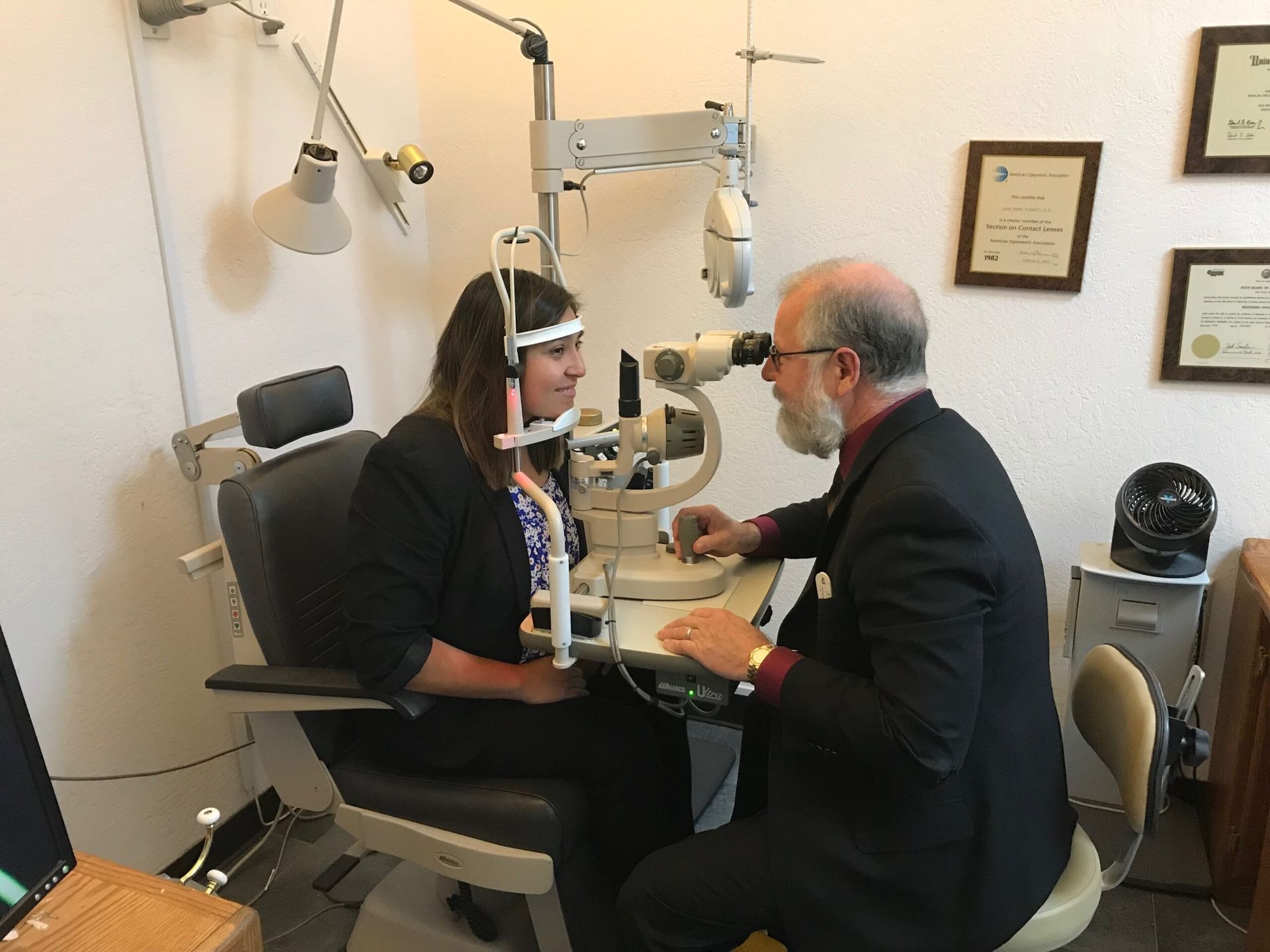
The clinical role involves evaluating eye health, verifying refractive status, evaluating binocular status, prescribing further testing, prescribing eyewear and medications where appropriate, directing medical treatment, and coordinating surgical referrals.
In other words, the full scope of what a California-licensed optometrist can do, not a narrowed slice of it.
What is already in the building
You would not be asking for equipment before you could practice the way you want to.
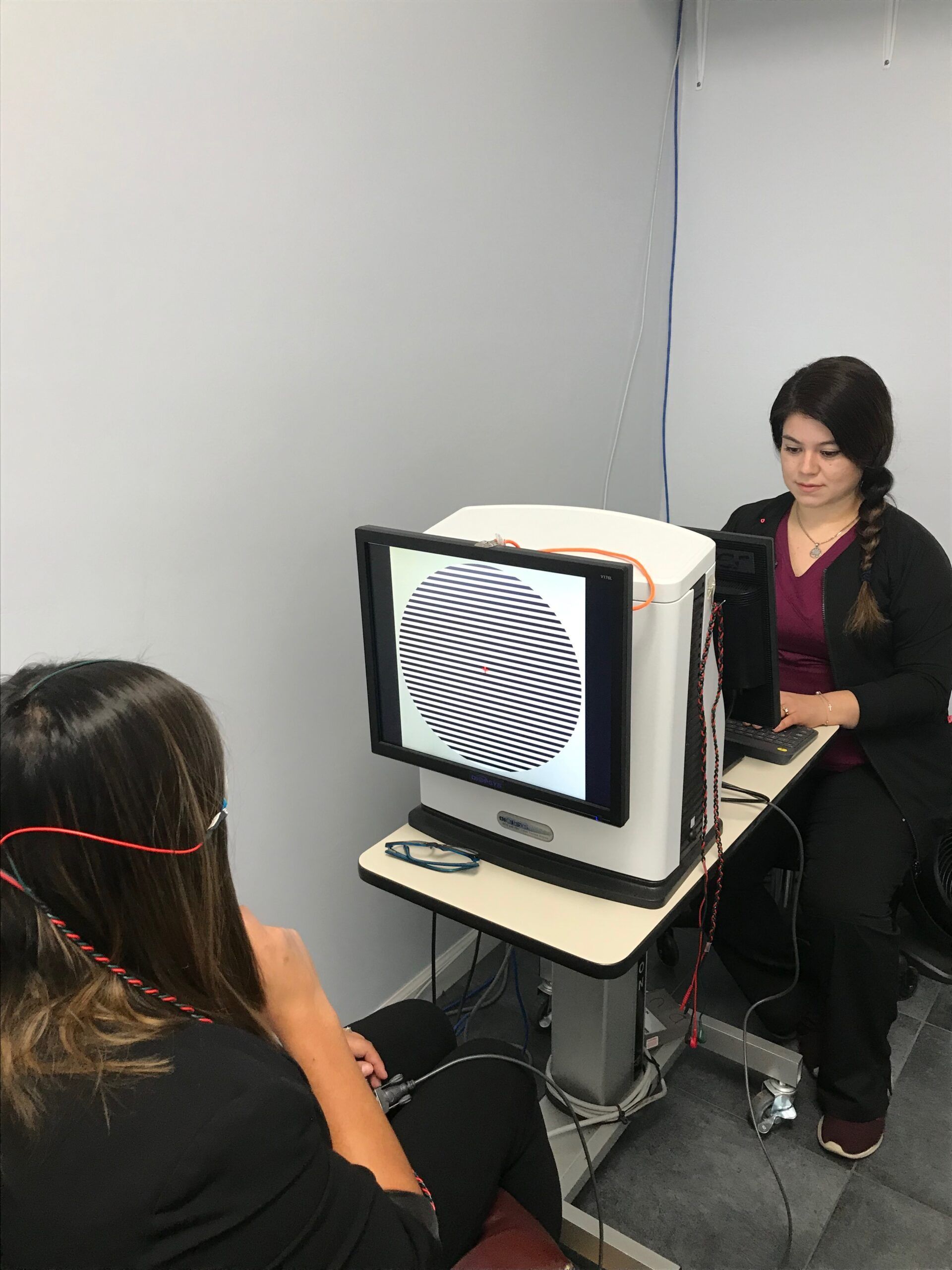
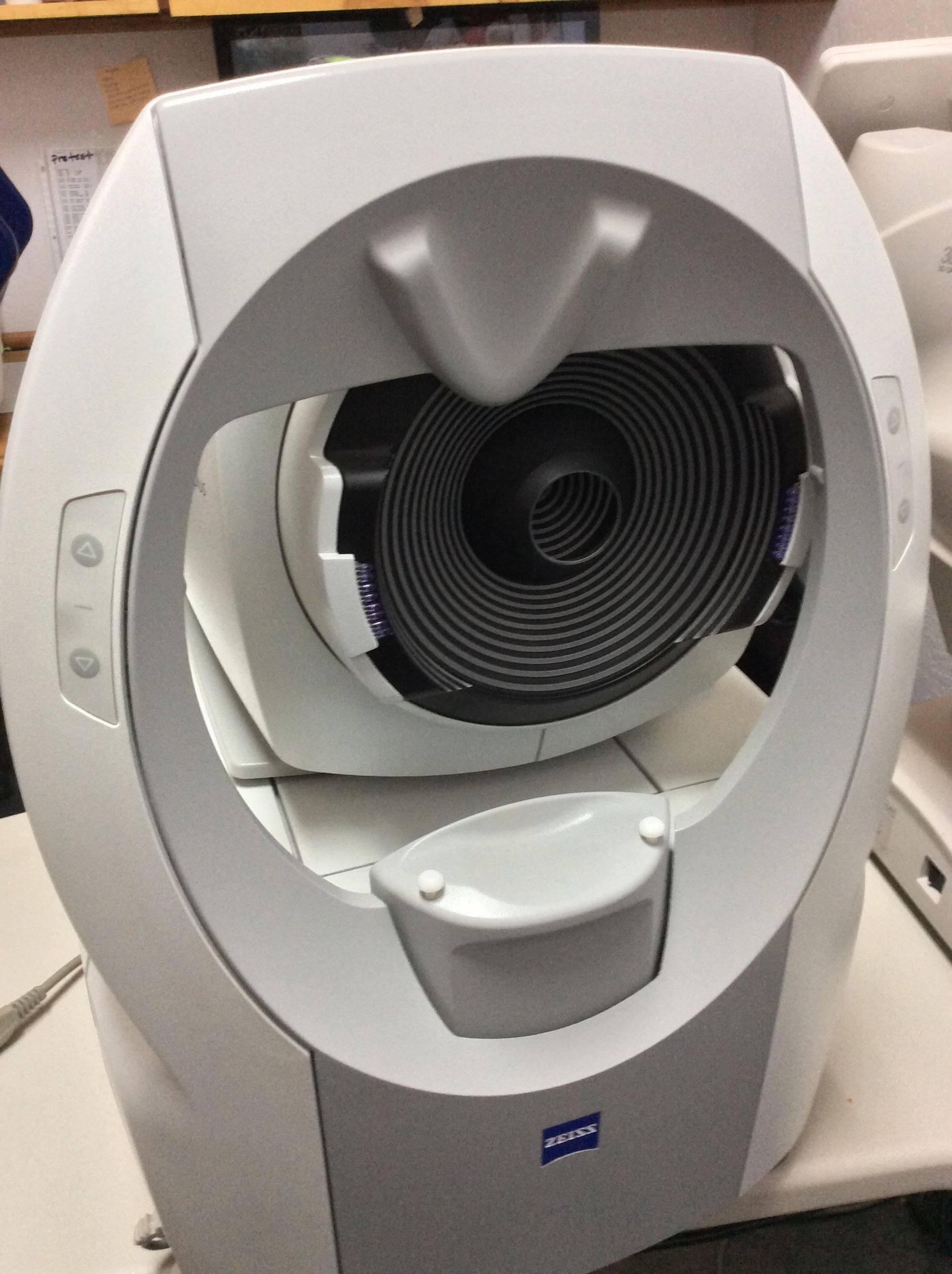
The office has OCT, retinal imaging, Diopsys visual electrophysiology, visual field testing, an aberrometer, a Macuscope, an infrared camera, and dedicated dry-eye treatment equipment. On the refractive and optical side there is auto-refraction, ZEISS iProfiler, and iTerminal 2 for personalized lens measurement.
The patient-facing explanation of how these get used day to day is in how advanced diagnostic testing helps protect your sight and understanding OCT and retinal imaging.
The support model
Chairside assistants are trained to enter data, perform refractions, and assist with specialized testing.
That matters more than any single piece of equipment. It means the doctor's time goes to examination, diagnosis, and decisions rather than to data entry and preliminary measurement. See what a day looks like with a full support team.
The bilingual part
Our entire staff is bilingual in English and Spanish.
For an incoming doctor that removes a real friction point. Spanish is a plus but not a requirement, because the team can communicate with patients in Spanish throughout the visit. See bilingual eye care in Santa Maria.
Independent rather than corporate
The practice is independently owned. Decisions about how long an exam takes, which tests are appropriate, and how a patient is managed are clinical decisions rather than operational ones handed down from elsewhere.
There is also room to build. The dry-eye clinic is an established workflow with capacity to develop further, and we are interested in doctors who want to help shape what comes next. See developing a dry-eye specialty inside an established clinic.
Practical basics
A California optometry license is required. The office is closed weekends. Compensation is discussed based on experience.
Current position details live on our careers page, which is the accurate place to look rather than this article.
Common questions
Is this a build-your-own-patient-base role?
No. The practice is established and busy. The demand is already here.
Would I be practicing alone?
You would be joining an existing practice with a full support team, not opening a satellite.
Do I need Spanish?
It is a plus, not a requirement.
What is the area like?
Santa Maria sits on California's Central Coast. See why optometrists look at the Central Coast.
Talk to us
If this sounds like the kind of practice you are looking for, we would rather have a conversation than exchange documents.
Explore careers or start a conversation.